




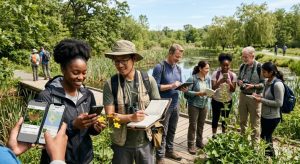
Biodiversity refers to the variety of life found on Earth, including different species, genetic differences within species, and the ecosystems in which organisms live. Forests, oceans, grasslands, wetlands, and even urban green spaces support many forms of life. This variety contributes to the functioning of ecosystems and helps provide resources that people and other organisms depend on.
Protecting biodiversity is important not only because individual species have value, but also because living things interact in complex ways that influence the health of natural environments.
How Different Species Support Ecosystems
Organisms perform many roles within an ecosystem. Plants capture energy through photosynthesis, herbivores consume vegetation, predators influence animal populations, and decomposers break down dead material. These interactions help move energy and nutrients through natural systems.
Pollinators such as bees, butterflies, and some other animals help many flowering plants reproduce. Fungi and soil organisms contribute to decomposition and nutrient cycling. Wetland plants can provide habitat and help influence how water moves through a landscape.
When species disappear, the effects may extend beyond the loss of a single organism. Other species that depend on it for food, shelter, or reproduction may also be affected.
Biodiversity Supports Food and Agriculture
Human food systems depend on a wide range of plants, animals, and microorganisms. Genetic diversity within crops can help plant breeders develop varieties with useful characteristics, such as resistance to certain diseases or tolerance of environmental stress.
Different pollinators support the reproduction of many crops, while healthy soils rely on interactions among microorganisms and other organisms. Diverse agricultural systems may also include different crops or habitats that support beneficial species.
However, biodiversity alone does not guarantee successful farming. Soil management, water availability, climate, farming practices, and other factors also influence food production.
Natural Ecosystems Provide Important Benefits
Healthy ecosystems contribute to services that people rely on. Forests store carbon, wetlands can help absorb excess water, and coastal habitats may reduce the force of waves and storms in some locations.
Natural areas also provide opportunities for recreation, cultural practices, scientific research, and education. Many communities have longstanding relationships with local species and landscapes, making biodiversity important for cultural as well as ecological reasons.
These benefits vary by ecosystem and location, but they illustrate why protecting natural environments matters to human well-being.
Understand the Threats to Biodiversity
Biodiversity can be threatened by habitat destruction, pollution, climate change, invasive species, and unsustainable harvesting. The relative importance of these pressures differs across regions and ecosystems. When forests are cleared or wetlands are drained, organisms may lose food sources, breeding areas, and shelter.
Pollution can damage habitats, while climate changes can shift the conditions that species need to survive. Conservation efforts often work best when they address the specific causes of decline rather than focusing only on individual species.
What Individuals and Communities Can Do
People can support biodiversity by protecting local habitats, planting suitable native species, reducing pesticide use where practical, and disposing of waste responsibly. Communities can help maintain parks, wetlands, waterways, and other green spaces that provide habitat for wildlife. Supporting responsible land management and conservation programs can also make a difference.
Before planting or releasing unfamiliar species, check local guidance because some introduced organisms can become invasive. Individual actions are useful, but lasting conservation also depends on coordinated efforts from communities, governments, land managers, researchers, and businesses.
Conclusion
Biodiversity supports ecosystem functions, food production, natural resources, and human well-being. Habitat loss, pollution, climate change, and other pressures can weaken these connections. Protecting the variety of life requires informed decisions at both individual and community levels, alongside broader conservation measures that preserve healthy ecosystems for the future.
 The way to science is not a straight one. If an experiment fails, or does not produce the results that the scientists are looking for, they can consider another idea. This continuous work process allows for the development and evolution of knowledge over time.



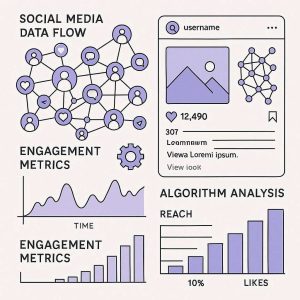 Social networking services influence how people communicate and share content. Platforms like Instagram rely on complex systems to decide what users see. These systems are based on data, behavior, and patterns. SNS supporter (source: sns서포터) is a tool or service that aim to support visibility and engagement on these platforms. To understand their role, it helps to look at how social media works from a scientific perspective. This article explains SNS supporters using simple concepts rooted in data and behavior science. The goal is clarity, not promotion.

 In addition to being an amazing natural phenomenon in and of itself, the migration of monarch butterflies serves as a barometer for the state of the ecosystem. Loss of habitat and pesticide use have caused a dramatic drop in the number of these butterflies in the last several decades. Insect conservation is critical to ensuring the continued viability of ecosystems.












 Every beat, note, and rhythm inside Jeju’s nightlife venues carries more than melody. It carries emotion. From the soft jazz that fills a private lounge to the deep house vibrations that pulse through upscale bars, music shapes how people feel, think, and interact. Scientists have long studied how sound affects the human brain, revealing that our responses to music are hardwired. This is especially true in social environments like Jeju’s lounges, where mood, rhythm, and connection blend into a single sensory experience.
 Finding reliable scientific sources online can be a daunting task. There’s a lot of content out there—but not all of it is trustworthy. Whether
  Science and traditional performance art may seem like two very different worlds. However, when it comes to Bian Lian—the ancient Chinese art of face-changing—there’s an interesting connection between human psychology, visual perception, and event presentation by a booth hostess. Booth hostesses play a unique role in bringing this mysterious and visually stunning art closer to modern audiences, especially during cultural expos, tech fairs, or science-related events.

 When water moves through pipes, it creates vibrations. These vibrations travel through materials and can produce noise—some of it unpleasant, some of it useful. The same principles apply to music and audio technology. Microphones and speakers also rely on vibrations to work. That shared principle has encouraged crossover studies where scientists analyze how pipe fluid dynamics relate to soundwave production.
 Air conditioning and heating systems are magical, aren’t they? One moment, your room feels like a sauna, and the next, cool, refreshing air flows from your vents, bringing relief. But this “magic” is